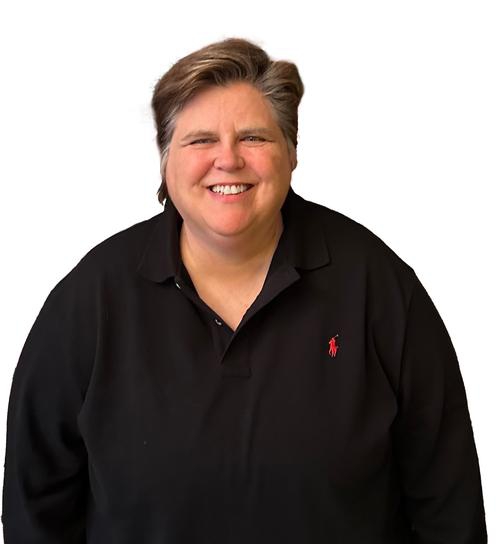

They bought the Dutchess County house for the quiet. They stayed for the bees. What began as a weekend refuge from New York City for Stuart and Barbara Armstrong gradually revealed a different kind of life—one shaped not by schedules or commutes, but by seasons, weather, and the steady rhythm of honeybees.
It all started when they first bought the property more than 20 years ago. In the woods behind the property, they discovered remnants of wooden hives left by the family who once lived there, whose grandparents had kept bees. The idea was planted then, Barb said, “always in the back of my mind.”
Nine years ago, that curiosity became action, eventually growing into Purple Bee Farm, the apiary they now tend with practiced care.
The shift didn’t come suddenly. Barb had spent decades producing high-profile corporate events around the world, work that demanded precision, stamina, and global travel. When she retired, the upstate house became more than a getaway; it became home. Stuart, who ran a tech company headquartered in NYC and then started a consulting agency, simultaneously gave up the need for a city office and made the transition with her.
As beginners, they approached beekeeping much the way they’d approached their careers: by learning deeply. They joined a local bee club, found a mentor, and after gaining experience, enrolled in Cornell’s master beekeeping program, a two-year course requiring several years of prior work in the field.
Today, Purple Bee Farm keeps about fifteen hives. They sell their honey in local stores and online, content to remain hobbyists despite steady interest. Expansion isn’t the goal. The work is its own reward, a way of tending the land, honoring its history, and continuing a practice that long predates their arrival.
“If you get past the first three years—through the learning curve and the disappointment and the frustration—you come out a real beekeeper,” Barbara said. “More passionate about it and dedicated to it.”

A Shared Practice
Beekeeping, for Barb and Stuart, is a shared practice, something they’ve built together after decades of parallel careers.
“Barb and I were always supporting each other in our respective careers, working, getting through the day, trying to absorb it all in New York City,” Stuart said. “A big thing about beekeeping in our house up in the Hudson Valley is that it’s something Barb and I do together. It’s brought us even closer together as a couple.”
The work itself is steady and physical: lifting boxes, inspecting frames, watching for signs of stress in the hives. Most of the year—February through October—there is always something that needs tending. What surprises Barb most is that the interest never faded.
“I’m surprised I’m so addicted to it. I didn’t expect it, but I really am,” she said.
Some afternoons, she sits in the apiary simply to listen and study their behavior.
“I just sit there without my beekeeper veil on and have that moment of listening to them and watching them,” she said. “It’s fascinating and very therapeutic.”
They’ve entered their honey in the Dutchess County Fair and won first-place blue ribbons several times. Alongside their light and medium amber honey, their specialty is creamed honey.
Over time, they’ve also become fluent in the realities of modern beekeeping, a far cry from the simpler practices of decades past.
“Decades ago, beekeepers would just set up hives and come get their honey when they wanted,” Barbara said. “But now there’s so much going on, from the environment, pesticides, their own pathogens and parasites.”
They’ve learned to read the signs: whether a queen is producing well, whether a hive is stressed, whether nearby farm sprays have left bees unable to fly. The varroa mite remains a serious threat.
“They won’t make it unless you’re on top of treating it,” Stuart said. “And we only treat organically. It’s very difficult to kill a bug on a host bug without killing the host bug, especially in a safe, unharmful way.”
Still, the vigilance comes with its own reward.
“It opens up your awareness of your surroundings,” he said, “The flowers and trees they feed from, their role in the ecosystem, and your role as a keeper of them.”

Rewiring, Not Retiring
As Stuart looks ahead to retirement, he expects to spend more time with the bees and the honey business. Another idea—still early, but compelling—is a flower operation built around pollinator-friendly varieties.
“You don’t retire, you just rewire,” he said. “We’ve been in the process of rewiring, and we hope it never ends. Just finding things to learn and keep your mind and body active.”
Caring for the bees has also widened their view of the land itself.
“It’s not only caring for the bees and their wellbeing,” Stuart said, “but it also helped us evolve into a passion about understanding the contribution to everything else in the area.”
Three years ago, they began shaping a pollinator pathway on a portion of their field, part of a long-term plan to convert seven acres into a pollinator meadow in partnership with the Farm Agency of New York. It will take several seasons to mature.
Their earlier careers—his in entrepreneurship, hers in high-stakes production—taught them how to build something from nothing, often only to hand it off and move on. But with the bees and the farm, they get to stay with what they’ve made, to watch it grow, and to share it with others.
Their goals now are simple and expansive at once: to stay healthy and active, to continue shaping the house and the farm, and to keep it open to friends and family. They love watching the children of friends wander the property, learning about bees and flowers and the way small things build a landscape.
With their hives, their fields, and the growing farm around them, they’ve created a place meant for gathering. It still surprises Stuart—born in Los Angeles and shaped by decades in New York City—that a fallow piece of land could become something so lasting.
“The fulfillment of creating something where there was nothing, it’s a wonderful feeling,” he said. “You just never know where life will take you.”
Learn more about Purple Bee Farm or try some of their delicious honey!