
Customer testimonials are a powerful tool for highlighting your business and encouraging potential clients to purchase your products or services. With over 85% of customers reporting that reviews play a significant role in their buying decisions, testimonials can be highly persuasive. However, it is essential for businesses to include appropriate testimonial disclaimers to avoid legal complications and public criticism.
What Is a Testimonial Disclaimer?
A testimonial disclaimer is a statement displayed on your website, app, or social media page, informing users that their experiences may differ from those described in reviews or endorsements of your company, product, or service. These disclaimers are typically found on testimonial pages and within terms and conditions. Additionally, if you post paid endorsements or testimonials, you must explicitly disclose this information. If you reward users for providing feedback—such as offering discounts, special deals, or sweepstakes entries—a disclaimer is also required.
Understanding Disclosure Laws
- Federal Trade Commission Act: This law governs testimonial disclaimers in the United States. If there is any connection between the endorser and your company, full disclosure is mandatory. While the term "connection" is not precisely defined, any situation in which a user is required—implicitly or explicitly—to provide an endorsement, review, or opinion must be reported. Non-compliance can result in civil penalties or criminal charges. If you offer compensation or consideration for reviews, this must be disclosed.
- United States Copyright Act: User-submitted testimonials may be categorized as "literary works." The Copyright Act defines literary works as content expressed in words, numbers, or other symbols, regardless of the medium. Therefore, obtaining permission to publish testimonials is crucial. A simple approach is to ask users to check a box indicating they have read and agree to the terms and consent to publish their testimonial. Failure to secure permission may lead to civil or criminal penalties.
- New York Consumer Protection Laws: Disclosures provided to New York consumers must be truthful and not misleading. Certain industries require specific disclaimers for online content. For example, law firms must display statements such as, "Prior results do not guarantee a similar outcome." Insurance endorsements must disclose any compensation for testimonials.
Businesses must also comply with privacy disclosure laws like the Algorithmic Pricing Disclosure Act, which mandates notification when prices are determined by algorithms using personal data. For legal or informational websites, standard disclaimers clarifying that content does not constitute legal advice are recommended.
New York regulations stipulate that testimonials in insurance advertisements must be genuine, reflect the current opinion of the author, pertain to the advertised policy, and be accurately reproduced. If the testimonial author has a financial interest in the company, this must be disclosed. Compensation for testimonials should be clearly stated, such as using language like "Paid endorsement."
While not always legally required, including a disclaimer is a prudent way to shield your business from liability.
Example Disclaimer
Consider this testimonial from our own website:
"I am glad I have Francine's firm in my camp and would highly recommend her firm to others."
Accompanied by the following disclaimer:
DISCLAIMER: The results are specific to the facts and legal circumstances of each client’s case and should not be used to form an expectation that the same results can be achieved for other clients in similar matters without considering the unique factual and legal circumstances of each case.
This disclaimer emphasizes that individual outcomes may vary based on the specifics of each client’s situation.
Users should be made aware of and acknowledge these disclaimers when reviewing website testimonials.
Takeaway
If your business sells products or services, you need a disclaimer. The exact wording should be tailored to the goods or services you provide and address any potential liabilities. Carefully craft your disclaimer to ensure it covers all relevant legal requirements and protects your business.
LOVE LAW FIRM is dedicated to helping entrepreneurs, startups, and small business owners build their businesses on a solid foundation. Part of our mission is to educate and inform clients about a wide range of legal and business topics. We hope you find these resources useful, and if you would like us to address a specific topic, please reach out!
Build. Not Billed.®
LOVE LAW FIRM is committed not just to billing you for our services, but to helping you grow your business.
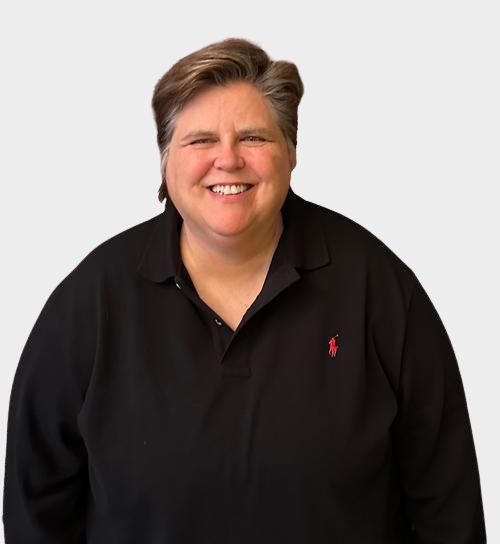
Francine E. Love, Founder and Managing Attorney of LOVE LAW FIRM PLLC, is devoted to serving entrepreneurs, startups, and small businesses. This article is intended for general informational purposes and does not constitute legal advice.
© 2026 LOVE LAW FIRM PLLC. All rights reserved.
If you liked this article, check these out as well:
5 Qualities to Look for When Choosing An Attorney for your Startup Business
What to Do When you Get a Bad Yelp Review